The Essential Car Maintenance Checklist and Schedule You Need to Follow
Posted Monday, Apr 07, 2025
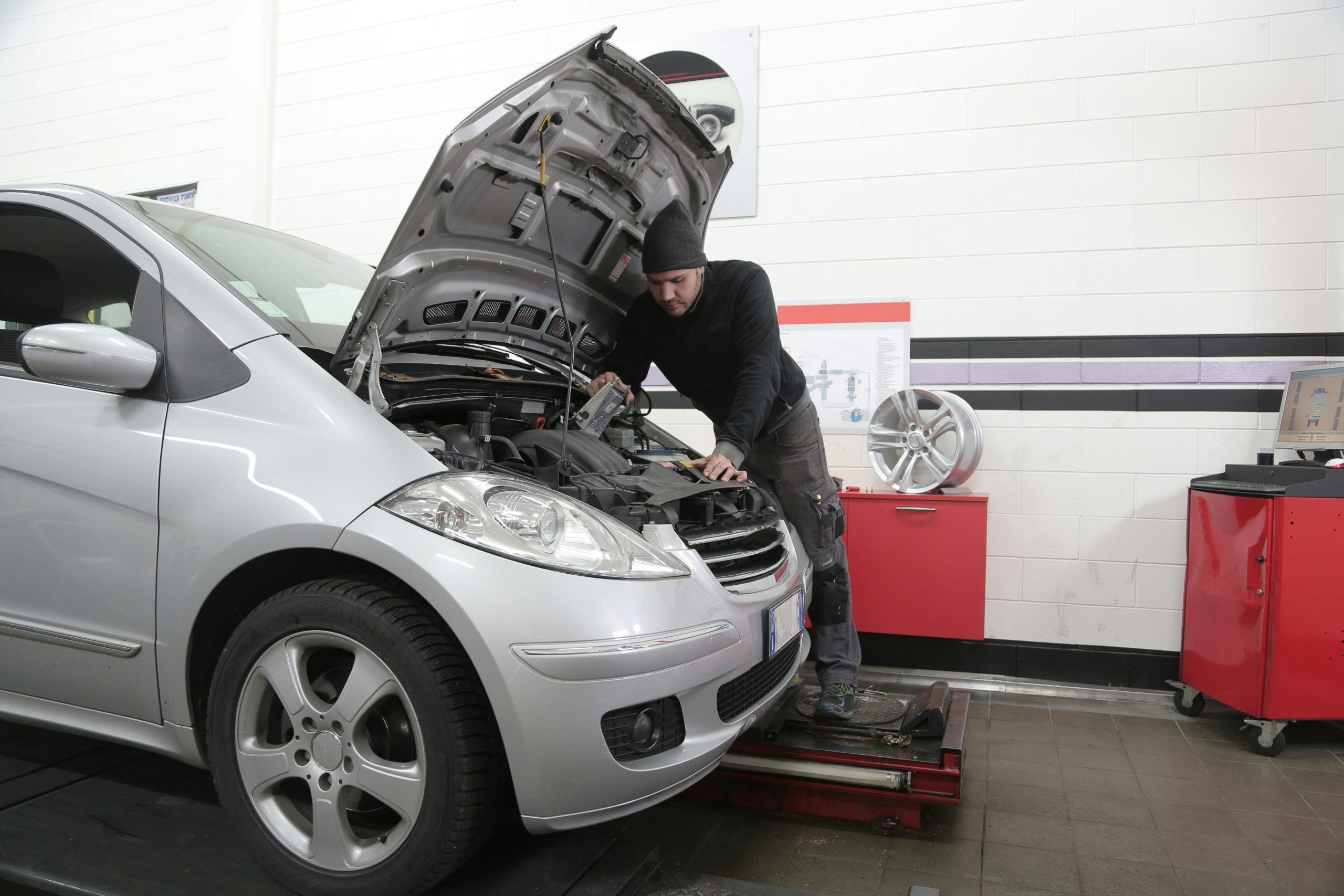
Car maintenance is a crucial aspect of vehicle ownership that often gets overlooked. Regular and systematic maintenance can significantly extend the life of your vehicle and enhance its performance. This article will guide you through the essentials of a car maintenance checklist and schedule, ensuring you keep your car running smoothly and efficiently.
What is a Vehicle Maintenance Schedule, and Why is it Important?
Understanding the Basics of a Car Maintenance Schedule
A car maintenance schedule is a planned outline that helps vehicle owners keep track of necessary maintenance tasks based on time and mileage. This schedule ensures that all essential aspects of your vehicle, such as oil changes, tire rotations, and fluid checks, are performed at the appropriate intervals. By following a maintenance schedule, you can help prevent unexpected breakdowns, enhance your car's performance, and maintain its resale value.
How a Maintenance Schedule Helps Keep Your Car Running Smoothly
Regular adherence to a car maintenance schedule not only ensures optimal performance but also increases fuel efficiency. For instance, routine oil changes and timely inspections of the coolant system help maintain engine health, preventing excessive wear and tear. Moreover, inspecting and replacing worn-out brake pads or tires at scheduled intervals can significantly enhance safety while driving. By prioritizing maintenance, you actively contribute to the longevity and reliability of your vehicle.
Consequences of Ignoring Regular Car Maintenance
- Skipping routine car maintenance can result in expensive repairs.
- Ignoring fluid levels (e.g., transmission fluid, brake fluid) can cause severe damage to critical vehicle systems.
- A failing coolant system can result in engine overheating and expensive repairs.
- Worn tires or brakes can compromise road safety.
What Should Be Included in Your Car Maintenance Checklist?
Essential Items in a Basic Car Maintenance Checklist
- Tire pressure and tread depth – Ensure proper inflation and sufficient tread for safe driving.
- Oil levels – Check and maintain appropriate levels for engine health.
- Brake fluid – Inspect fluid levels to ensure optimal braking performance.
- Coolant levels – Prevent engine overheating by maintaining proper coolant levels.
- Windshield wipers – Check effectiveness for clear visibility and safe driving.
- Car battery – Monitor condition to avoid unexpected breakdowns.
- Air filter – Keep clean for improved engine efficiency and air quality.
How to Create Your Ultimate Car Maintenance Checklist
Creating a personalized car maintenance checklist involves identifying the specific needs of your vehicle based on its make, model, and age. You may consider including tasks such as checking the motor oil, inspecting brake pads, and testing the power steering fluid levels. By tailoring your checklist, you ensure that it addresses the unique aspects of your vehicle. Utilize resources like a car maintenance guide or consult your service center for recommendations on periodic maintenance tasks that should be included.
Periodic Maintenance Tasks to Remember
Periodic maintenance tasks are crucial for the sustained health of your vehicle. These tasks should include replacing spark plugs and timing belts at intervals specified by the manufacturer, typically outlined in the maintenance schedule. Additionally, changing the oil and oil filter regularly is essential for keeping your engine running efficiently. Regularly inspecting your tires for wear and alignment, as well as checking brake fluid and transmission fluid levels can help prevent serious issues down the line. Remember, preventative maintenance today can save you from hefty repair costs tomorrow.
How Often Should You Perform Regular Car Maintenance?
Recommended Maintenance Schedule Based on Mileage
The frequency of car maintenance tasks is often categorized by mileage. For example, most manufacturers recommend an oil change every 5,000 to 7,500 miles, depending on the type of motor oil used. Tire rotations should occur approximately every 6,000 to 8,000 miles to ensure even wear. Brake inspections and fluid checks should be performed every 10,000 to 15,000 miles. Following a recommended maintenance schedule based on mileage helps ensure that your vehicle remains in optimal condition throughout its life.
Factors Influencing Your Car Maintenance Frequency
Several factors can influence how often you need to perform regular car maintenance. Driving conditions, such as frequent stop-and-go traffic or driving on rough terrains, can lead to increased wear on tires and brakes. Additionally, environmental factors like extreme temperatures can affect battery life and fluid levels. If your vehicle is older or has a history of mechanical issues, you may need to conduct maintenance more frequently. Always stay attuned to your car's performance and adjust your maintenance schedule as necessary.
Checking Your Car: Signs That It Needs Immediate Maintenance
Being vigilant about your vehicle's condition can save you from potential breakdowns. Signs that your car may need immediate maintenance include unusual noises from the engine or brakes, dashboard warning lights, or a decrease in fuel efficiency. Additionally, if you notice vibrations when steering or a spongy brake pedal, it is crucial to inspect these areas promptly. Taking action at the first sign of trouble is key to keeping your car running smoothly and avoiding more significant issues.
What Are the Key Components to Inspect During Vehicle Maintenance?
Importance of Tire Pressure and Tread Checks
Keeping your tires in good condition is key to safety and performance. Regularly checking tire pressure ensures optimal contact with the road, enhancing grip and fuel efficiency. Additionally, inspecting tread depth is critical; worn-out tires can lead to reduced traction, especially in adverse weather conditions. Maintaining proper tire health not only helps keep your vehicle safe but also prolongs the life of the tires, reducing overall maintenance costs.
Regular Inspection of Brake Pads and Brake Fluid
Brake maintenance is non-negotiable when it comes to vehicle safety. Regularly inspecting brake pads for wear and tear can help you avoid brake failure. Additionally, checking brake fluid levels is essential, as low fluid can indicate potential leaks or other issues within the braking system. Keeping your brakes in optimal condition is vital for ensuring a safe driving experience.
Monitoring Your Car Battery and Electrical System
The car battery and electrical system are often overlooked but are critical for overall vehicle functionality. Regularly inspecting the battery terminals for corrosion and ensuring that the battery is securely mounted can prevent unexpected failures. Additionally, checking the condition of the serpentine belt and ensuring that the electrical system is functioning properly will help maintain your vehicle's reliability. Implementing routine checks on these components can ultimately help avoid inconvenient breakdowns.
What Are Some Common Car Maintenance Tips to Keep in Mind?
How to Maintain Your Engine Air and Air Filter
Maintaining your engine air filter is crucial for optimal engine performance. A clean air filter allows for better airflow, improving fuel efficiency and engine performance. Regularly inspecting and replacing the air filter, typically every 15,000 to 30,000 miles, can significantly enhance your vehicle's efficiency. Additionally, maintaining proper engine airflow contributes to lower emissions, benefiting both your vehicle and the environment.
Tips for Keeping Your Fluids at Optimal Levels
Maintaining the right fluids is key to your vehicle's performance. Regularly checking and topping off fluids, such as motor oil, coolant, and transmission fluid, is essential for maintaining engine health and performance. Establish a habit of inspecting fluid levels during your routine maintenance to ensure they are within the recommended ranges. This practice can help prevent overheating, transmission issues, and engine wear, ultimately prolonging the life of your vehicle.
When to Replace Spark Plugs and Timing Belts
Replacing spark plugs and timing belts at the recommended intervals is crucial for engine performance. Worn spark plugs can lead to misfires and decreased fuel efficiency, while a failing timing belt can result in catastrophic engine damage. Most manufacturers recommend replacing spark plugs every 30,000 to 100,000 miles and timing belts around 60,000 to 100,000 miles, depending on the vehicle. Keeping track of these replacements in your car maintenance schedule is essential for optimal engine performance.
Conclusion
To ensure your vehicle’s longevity, committing to regular maintenance is essential. This includes checking wiper blades, performing routine car maintenance, and adhering to your owner’s manual for maintenance requirements. Don’t overlook the importance of scheduled maintenance and maintenance check-ups to keep your vehicle running smoothly.
Keeping a checklist to keep track of auto maintenance tasks can help you manage car maintenance costs effectively. It’s vital to have your car inspected regularly and replace parts as they need to be replaced. A little effort today means a longer life for your car.
Remember, washing your car and performing annual car maintenance are integral parts of car care. By focusing on maintenance history and completing tasks for your vehicle, you will ensure it remains at its best. Trust VIP Autos for all your maintenance services!